














It’s the start of a new year. Temperatures have dropped, bars are quieter and chances are you know a few people choosing “Dry January” — the practice where some abstain from alcohol for the month. But a hundred years ago, America didn’t choose to go dry…it was forced into it by law.
On January 17, 1920, the 18th Amendment went into effect, enforcing the Volstead Act, which banned the production and sale of intoxicating liquors. The idea was to clean up society, eliminate crime and purify the moral compass of the nation. What actually happened? The exact opposite. Instead, the country got a 13 year stretch of speakeasies, bootlegging, organized crime and some seriously sketchy gin.
When Bad Booze Meets Good Ideas
Let’s be clear: Prohibition booze was bad. Dangerously bad. People drank industrial alcohol filtered through socks, or “bathtub gin” cooked up with questionable ingredients. To make matters worse, the U.S. Government, trying to discourage drinking, began poisoning industrial alcohol with toxic substances — fully aware it was being repurposed. Consuming alcohol became a gamble, where a poorly placed bet could result in blindness, seizures and even death.
Bartenders (many of which had relocated to countries where drinking was still legal) did what they could to mask the harsh taste with whatever they had available. While ingredients were sometimes limited, the desire for ritual and connection remained strong. Drinking became both an act of rebellion and community. Prohibition backfired spectacularly as the demand for alcohol didn’t vanish, it just moved underground.
The Rise of the Speakeasy
Through Prohibition, a new culture began to take shape. Within months, a booming illicit industry emerged. Smugglers (or bootleggers) transported liquor from the Caribbean to Canada and everywhere in between. Homemade stills bubbled in basements, back alleys and barns. Speakeasies — illegal bars hidden behind soda shops, tailor stores and fake walls — popped up in every major city. By 1925, New York alone had over 30,000 of them. The speakeasy wasn’t just a bar, it was a hidden world. A coded knock or whispered password got you inside.
There, jazz pulsed from gramophones, lights were dimmer and rules were looser. It was a place where women — who’d once been confined to the fringes of saloons — became regulars, and sometimes even ran the show. These speakeasies were equal parts defiance and decadence.
Crime, Culture and the Cracks in the Law
By the late 1920s, organized crime had its claws deep in the liquor trade. Figures such as Al Capone ruled cities like Chicago through networks of smuggling, bribery and violence, all fueled by demand for illegal booze. Far from reducing crime, Prohibition poured gasoline on it. As we entered the 30’s the national mood had shifted from moral certainty to economic desperation. The public’s appetite for government control began to sour and The Great Depression made the potential tax revenue from alcohol start to look pretty appealing. Turns out policing an entire nation’s thirst proved impossible to sustain. So, on December 5, 1933, the 21st Amendment repealed Prohibition, and alcohol rejoined the economy — this time taxed and regulated. Today, the ghosts of Prohibition still clink around in our cocktail culture. The resurgence of speakeasy-style bars, the popularity of vintage recipes and even the booming craft gin industry all nod to a time when drinking was criminal and at times deadly.
Raise a Glass — Or Don’t
While “Dry January” is voluntary and far less dramatic, it echoes some of the same questions asked during Prohibition: What role does alcohol play in our lives? Who should decide how much is too much? And what happens when we take it away?










Modern mocktails, non-alcoholic spirits and the rise of the sober movement all speak to a new kind of cocktail revolution — one rooted in choice rather than law. It’s a shift from Prohibition’s imposed restraint to an intentional exploration of what it means to drink, or not, on our own terms.
So, whether you’re practicing sobriety, trying “Dry January” or enjoying a cocktail, the lesson from Prohibition is simple: you can ban the bottle, but people will always find ways to gather, to celebrate and to create community — with or without spirits.
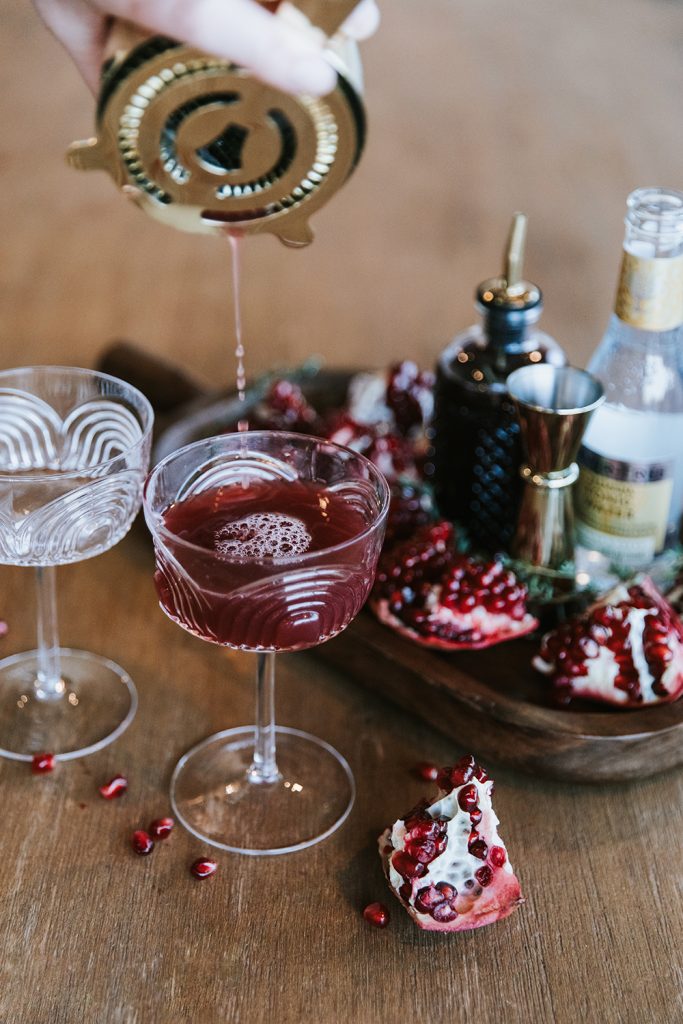

INGREDIENTS
• 1 ounce Grenadine
• ¾ ounce lemon juice
• 1 ounce water
• 4 ounces tonic water
• 3-5 sprigs of thyme
STEPS
1. Add Grenadine, lemon juice, still water and thyme to a shaker with ice and shake until well-chilled.
2. Strain into the glass of your choice and top with tonic water.
3. Garnish with fresh sprigs of thyme or lemon wheel.
POMEGRANATE GRENADINE INGREDIENTS
• 1 cup 100% pomegranate juice
• 1 cup sugar
• 1 ounce pomegranate molasses (optional but better with it)
GRENADINE STEPS
1. In a small saucepan, combine all ingredients and warm until everything is fully dissolved together.
2. Remove from heat and allow to cool. Transfer the syrup to an airtight container. Store in the refrigerator for up to 1 month or freeze for up to 6 months.
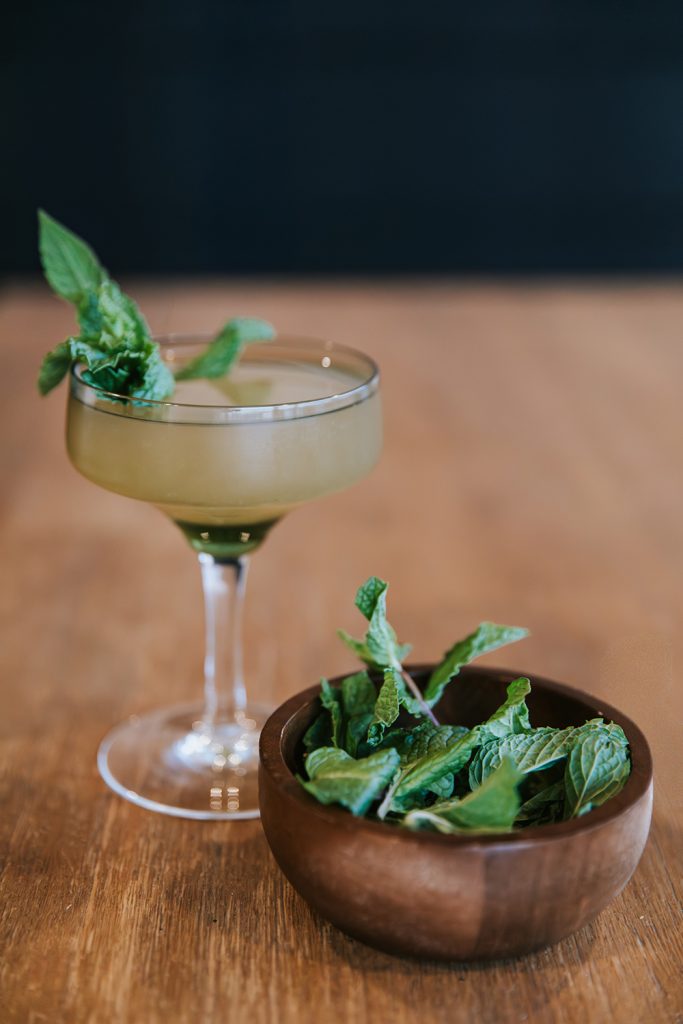
INGREDIENTS
• 2 ounces gin
• 1 ounce freshly squeezed lemon juice
• 1 ounce simple syrup
• 5 mint leaves
• mint sprig (optional garnish)
STEPS
1. Add the mint leaves and lemon juice into a shaker and gently muddle.
2. Add in the gin, simple syrup and ice to the shaker and shake until well-chilled.
3. Double strain into the glass of your choice and garnish with a mint sprig.
* Erin’s notes: During Prohibition, the Southside was the drink of choice in Chicago speakeasies. Said to have been the favored drink of Al Capone and his crew. It was light, crisp and minty, perfect for masking the rough Prohibition-era gin.
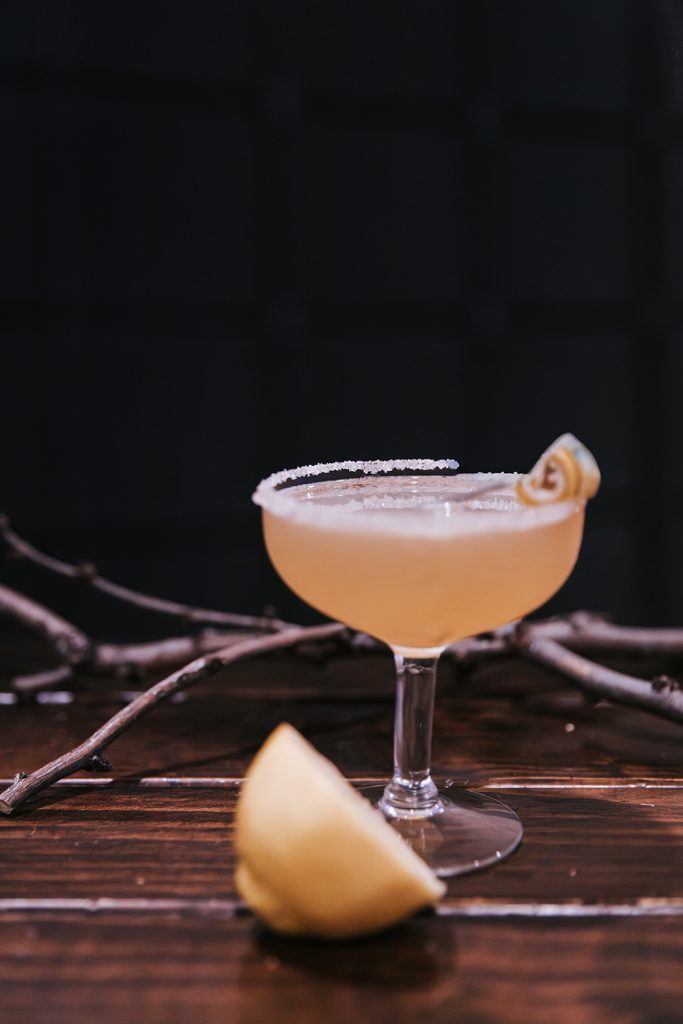
INGREDIENTS
• 2 ounces brandy or cognac
• 1 ounce orange curacao or triple sec
• 1/2 ounce freshly squeezed lemon juice
• sugar for glass rim
• lemon peel twist (optional garnish)
STEPS
1. Spread 1 teaspoon of granulated sugar in an even layer on a small flat plate.
2. Half the lemon. Run one of the lemon halves over the rim of a coupe or martini glass to moisten it. Invert the glass into the sugar and set aside.
3. Add all ingredients into a shaker with ice and shake until well-chilled.
4. Strain into the sugar rimmed glass.
*Erin’s notes: You wouldn’t find this drink in just any bar back in 1920, but every classy speakeasy would have had it on the menu—a true staple of the Prohibition-era cocktail scene.
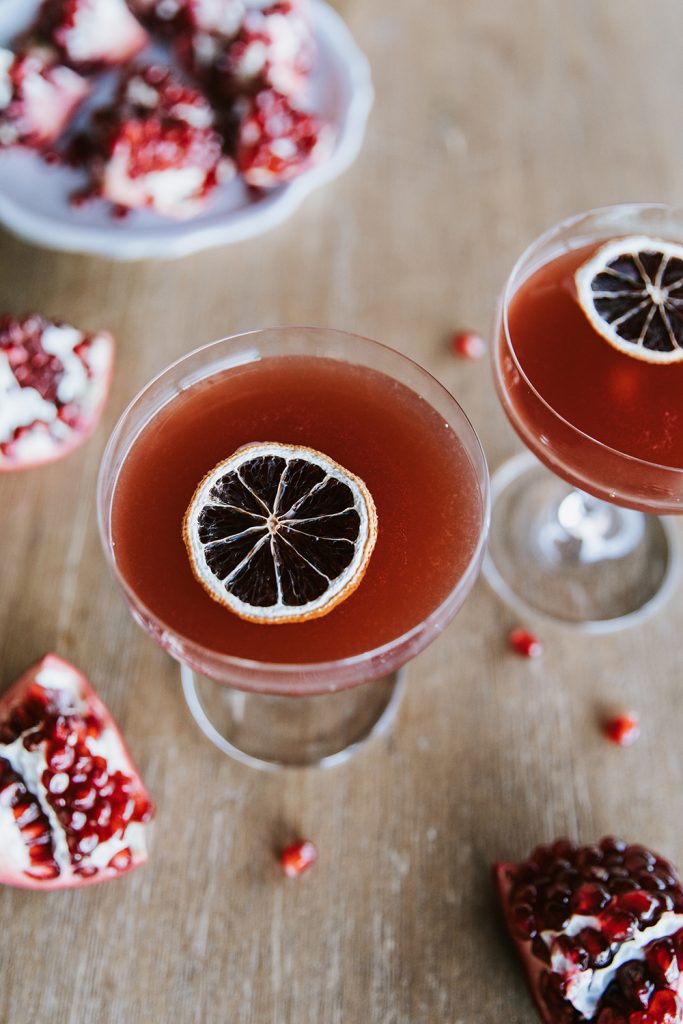
INGREDIENTS
• 1 ounce rum
• 1/2 ounce rye whisky
• 1/2 ounce Grenadine (see easy recipe on p. 23)
• 1/2 ounce freshly squeezed lemon juice
• lemon peel twist or pomegranate arlis (optional garnish)
STEPS
1. Add all ingredients into a shaker with ice and shake until well-chilled.
2. Strain into the glass of your choice and garnish if desired.
*Erin’s notes: Created during Prohibition, this cocktail was inspired by the loophole just beyond U.S. territorial waters, where alcohol was still legal. There a flotilla of ships loaded with booze waited. While alcohol was banned on land, that rule stopped 12 miles offshore. This led to floating speakeasies where one could go to drink legally at what was known as Rum Row.
By Erin Estill
Photos By Shayli Anne Photography




