













A BIT OF HISTORY FIRST
During World War II, during the Dutch famine in the Netherlands, bread became scarce. Dutch pediatrician Willem Karel Dicke noticed that none of the children with celiac disease in his hospital died. He “hypothesized that the wheat protein may be the culprit in triggering celiac disease” (www.beyondceliac.org/ celiac-disease/celiac-history). Celiac had been discovered much earlier through situational trial and error, but the triggering food had not been pinpointed yet.
A growing number of people in the Big Country have to maintain a gluten-free diet, whether because of celiac disease, gluten intolerance or preference. For celiacs, eating gluten-free is not just a personal choice. Gluten is a protein found in wheat-based products. Consuming it “may cause an inflammatory reaction that affects the small intestine in people with celiac disease” (Clark, Jermaine, D.O. “Does Gluten Cause Inflammation?” www.bswhealth.com/blog/does-gluten-cause-inflammation-jointpain). The damage can be long-lasting, and a gluten-free diet must be maintained for life.
 Not only does wheat contain gluten, but so does barley and rye. Common condiments like soy sauce and teriyaki sauce are made with wheat. Treats like Twizzlers and Sour Straws contain wheat. Whoppers contain malt, which is from barley. Name brand Rice Krispies have malt flavoring as well, but generic Crispy Rice (from Aldi) does not and is safe. Navigating a gluten allergy involves serious mental gymnastics!
There are over 200 different symptoms that could indicate someone has celiac disease. Most people know about the gastrointestinal symptoms like bloating and diarrhea. But since the villi of the small intestine are damaged with this disease, the body is not able to absorb nutrients. Malabsorption of nutrients can lead to fatigue (extreme “can’t make it to the couch before collapsing” fatigue), enamel defects, headaches, neurological symptoms and mood changes, to name a few. (https://www.beyondceliac.org/celiac-disease/symptoms/)
However, when someone who has celiac strictly follows a gluten free diet, their villi repairs over time. They can enjoy life as anyone would. The gluten-free protocol must be followed strictly, as even eating a communion wafer can have severe consequences. Cross-contamination is a constant risk because many restaurants use the same cookware, toasters, grills and fryers for all their food. Even using a wooden spoon that was previously used to stir a pot of spaghetti, then cleaned and used for gluten-free food can still pose a risk because the gluten particles can remain trapped in the porous material. Unlike lactose intolerance, there is no magic pill to prevent the damage gluten can cause. A strict gluten-free diet is the only effective solution.
STORY TIME!
Abilene resident Nancy Borders was diagnosed with celiac disease in 1990 at the age of 40. She had gone on a mission trip to Mexico City. Nancy became sick upon returning home and couldn’t recover. She lost a significant amount of weight. Her cousin was doing a residency at Scott and White and managed to get her in to see the head GI doctor immediately. They performed numerous tests, initially suspecting cancer. While waiting for the results, Nancy went into her prayer closet and began fervently praying. “Very clearly,” Nancy recalled, “I received a word from the Lord that this was not cancer; it was something else.” Three days later, she finally received a call confirming it was celiac and not cancer. At the time, celiac disease was not well-known, so she had to do extensive research on her own.
Nancy began cooking all her meals and limiting her dining out. “Dining out is just too risky,” she shared. Nancy limits eating out at restaurants, even though gluten-free protocols are now more common. She gets most of her groceries at HEB or Natural Grocers, but she really loves the gluten-free chicken nuggets at Aldi.
Cameron Burton, an 11-year-old here in the Big Country, received her diagnosis when she was two years old. Her mom Alicia understands that it’s her job as her mother to teach Cameron how to manage this. “I really try to encourage [Cameron] to take control of what she can,” Alicia explained. “A big part of that is learning to cook things she likes!” Together, they recreate Cameron’s favorite foods and make them gluten-free. She has entered competitions at county fairs and has won two blue ribbons. “Jones County Fair even had a GF division!” Alicia shared. Cameron’s anxiety and sadness turned into joy as her passion for cooking grew. Sometimes she sells her gluten-free food with in-town deliveries.

 THE GOOD NEWS
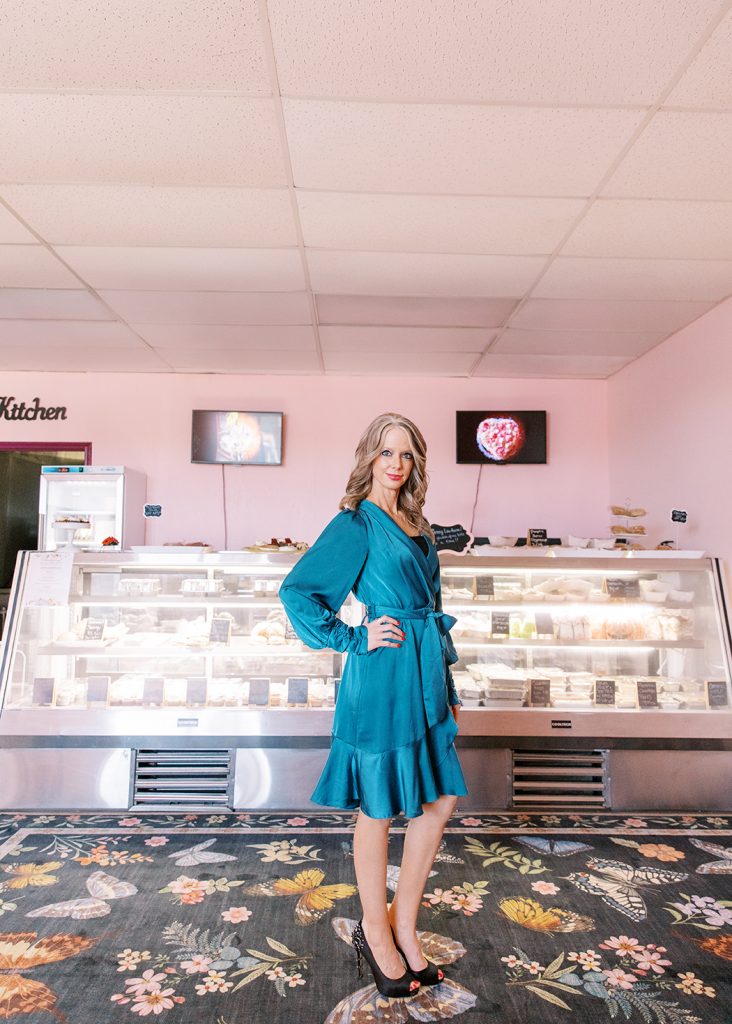
Fortunately, Abilene now offers several dining options where even those with celiac disease can eat safely. Michele Kirkland, featured in this issue’s New on the Scene, used her experience with celiac disease and her passion for making flavorful gluten-free food to open a 100% gluten-free, celiac-safe bakery. Southern Delights by Michele is located near Hobby Lobby on South 14th, with a second location at Dyess Air Force Base. Michele constantly adapts to her customers’ needs and wants, recognizing that many seek convenient foods to grab and go. Her baking skills shine in her sweet treats, but her chicken pot pie is a savory delight. On Fridays, she serves pizza slices (which is what everyone wants on a Friday). And arguably, her honey rolls are addictive.
Michele’s mantra is “Enjoy life again, one gluten free bite at a time!” She sure has lived that out. Sometimes, she will host a dinner gathering at her bakery. She serves a three-course meal that people with celiac disease can enjoy alongside family and friends, without any worries at all about if they will have a negative reaction to the food.
Michele takes a break from cooking and loves to dine out locally at The Beehive or Taylor County Taphouse, both places that she says follow good protocols to keep her safe. Red Robin and Jason’s Deli are great chain restaurant options, which are especially nice when traveling. She shops all around town and really enjoys the selection at Drug Emporium for convenient gluten-free snacks.
When dining out, Alicia and Cameron Burton enjoy the options at Salty Roan Bakery (the crème brulee cookie and ham and cheese scones are fantastic choices). Cameron really likes going to Chick-fil-A. They have grilled nuggets and a gluten-free bun for the grilled chicken sandwich. Her new favorite is the grilled club sandwich with a gluten-free bun. The fries are “safe” there (meaning there is a dedicated fryer just for the fries).
For upscale dining, “Cypress Street and Copper Creek are always super cautious and knowledgeable,” Alicia shared. She explained that any place with meat, vegetables and potatoes, like steakhouses and barbeque joints, makes eating with celiac disease a bit easier.
On a personal note, I also have celiac disease. This subject is near and dear to my heart and my health. I feel honored to write about it. My favorite restaurant in town is Rockin’ Rollerz (oh my goodness, those truffle fries!!). Jaleecia at Pizza By Design also takes great care of me, making my pizza with ingredients in their kitchen instead of in the service area. I used to only get the grilled nuggets and fries at Chick-fil-A, but after talking with Alicia Burton about this article, I branched out to get the grilled sandwich with a gluten-free bun. Delightful! The team member who took my
order asked if they needed to change gloves. Yes! And the folks at Life of Pie have excellent gluten-free options for lunch including a delightful key lime pie.
Different people with celiac disease or gluten intolerances will have different reactions to trace amounts of gluten. Use caution when eating away from home, and always ask questions.
 HOW TO SUPPORT A GLUTEN-FREE FRIEND
If you are cooking in your home for someone following a gluten-free diet, please use metal, glass or ceramic cookware and utensils to keep them safe from cross-contamination (avoid plastic and wood).
Read labels and communicate with your friend to learn more about their needs. They will be thankful for the extra effort.
In the case of pot lucks or going through a kind of line to fill a plate, invite your gluten-free friend to go first. This helps minimize cross-contamination.
When dining out, choose a restaurant where your friend can feel safe. Even call ahead to make sure! There is an app called “Find Me Gluten Free” that is like Yelp for celiacs that can be a good starting point.
Be respectful and discreet. Avoid drawing unwanted public attention to your friend with a food allergy. If they need to eat before meeting friends at a restaurant, that is okay!
 AND FOR THOSE NEW TO THE GLUTEN-FREE LIFESTYLE
Michele Kirkland not only owns and runs “Southern Delights by Michele,” but she is also a consultant for people with celiac. She can help people navigate shopping, make their home kitchen a safe, gluten-free place and get started on simple gluten-free recipes.
Abilene ISD can help your child manage their gluten allergy in the school lunch line! Information can be found on the Abilene ISD website.
When sharing a home with people who do not have celiac, use separate kitchen items. For example, buy new cooking utensils and label them GF or keep them in a separate drawer. Have a GF toaster. Use glass, metal and ceramic instead of plastic, wood and pans with a non-stick coating.
Seek medical help to discuss potential malabsorption of nutrients.
*If you are thinking about transitioning to a gluten-free diet, we recommend discussing it with your physician first.
By Laura Daulton
Photos By Shayli Anne Photography







Leave a Reply