













The Abilene Zoo is an oasis in the zoo desert of Texas. The closest zoos are located in Fort Worth, San Antonio, El Paso and Oklahoma City. In the Big Country, the zoo adds education, entertainment and memory anchors for our entire region. The 60th Anniversary celebrates 60 years since the opening of the Abilene Zoo in Grover Nelson Park, but the love of zoos has been part of Abilene culture for over 100 years.
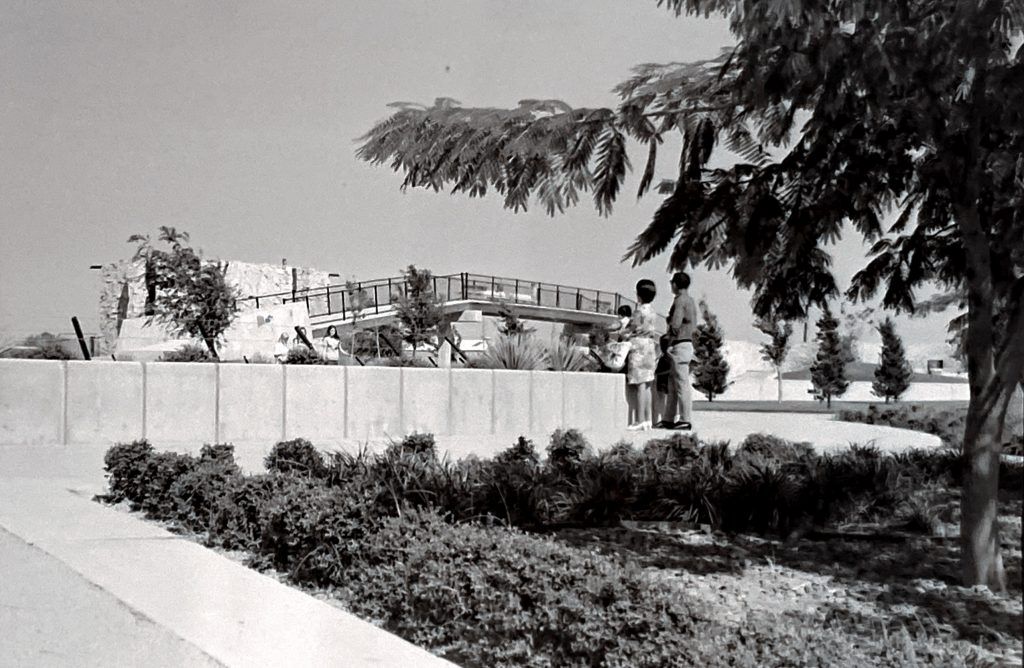 Most smaller cities like ours do not have zoos. But back in the early 1920s, folks in Abilene decided to start one. They called it the Fair Park Zoo, and it was located where Rose Park currently sits. Fair Park Zoo was similar to many of our backyards, showcasing squirrels, racoons and armadillos. The novelty of seeing such creatures up close instead of them scampering away in trees ignited a love for learning about animals of all kinds. The community started donating animals like a badger and a wild hog. Once, they had a bison (that was then used in a barbecue for Labor Day…)! As things happened, though, some drama led to the need for a fresh start.
The Abilene community created the Abilene Zoological Society in 1963. “It is the non-profit operating arm of the Zoo, which is a non-profit/city enterprise,” explained Janelle Benham, current Board President of the Abilene Zoological Society. Through fundraising and a bond election, construction began just two years later on land that once was a tiny airport and now a perfect location for the new Abilene Zoo in Grover Nelson Park.
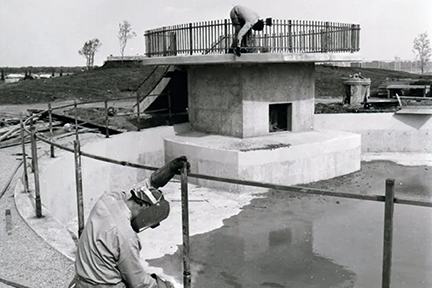 The new Abilene Zoological Gardens opened July 3, 1966. James “Jimmy” Tittle designed this zoo with the idea of having open spaces with moats as barriers, giving people an unobstructed view of the animals. However, as the zoo directors learned more about the needs of the animals, they decided the space would be better utilized through a better allocation of space. Tittle shifted to designs that allow animals more space using walls and fences. (Some zoos like the Dallas Zoo and Disney’s Animal Kingdom still use moats because they have more space.) Interestingly, the old sea lion enclosure is now where the monkeys are located. Those stairs are original to the 1966 zoo.
Also original to the 1966 zoo is Albert the Alligator! He has welcomed visitors to the zoo since the beginning, and he is the face of the 60th anniversary campaign. Marlen Salazar, the marketing manager for the Abilene Zoo, shares, “Albert has been the welcoming party for 60 years, and he has a lot more years left. Reptiles live a long time.” She explained that Albert is not the oldest animal in the zoo, just the most visible.
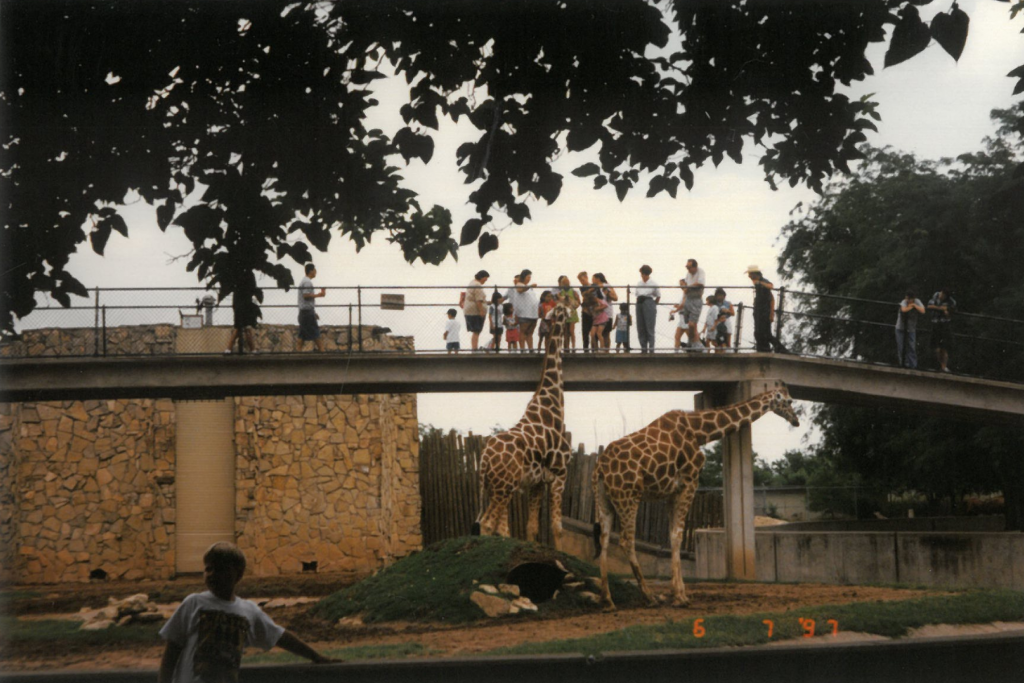
Most people who have been here awhile have distinct memories of feeding giraffes from the bridge. That bridge was iconic. The zoo’s current giraffe-feeding place better protects the giraffes from being fed things they cannot eat, but the memories of the bridge still live on. Part of the Bold Adventure initiative will be to bring back the idea of the bridge as a way to link the past to the future. The guest services team makes sure visitors walk away from the zoo with memories. From riding the train or the carousel to choosing a souvenir at the gift shop, the extra details create memory anchors. “The zoo is so friendly – it invites families to gather and learn together and to see their part in conserving our beautiful world,” Benham shared. “Every family I’ve met has a zoo story. I am grateful to be able to serve on the Zoo Board and work to grow our zoo to create more experiences for families of the Big Country.”
 “A city of this size has a zoo because of the people,” explained Salazar, who developed a love for all creatures great and small in her childhood. When the opportunity to meld her childhood passions and her training in marketing presented itself, she jumped at the chance. Salazar’s main focus is quite literally marketing the animals!
For example, our zoo’s conservation efforts are phenomenal. Salazar shared that our zoo’s keepers are known for successfully breeding animals that are endangered, like the giraffe, secretary bird and the Mangshan pit viper! Especially for the Mangshan pit viper, the environment has to be curated to exact specifications, including habitat, humidity and temperature. This is quite an accomplishment! As is the fact that our zookeepers rehabilitate more than 600 native birds annually. This kind of conservation makes a huge difference in the world.

Where Salazar connects the animals to the community, London Childress, the zoo’s Development Manager, connects the community to the animals. “[Visiting the zoo] is not an annual event,” Childress said, “You could just come on a Tuesday. It’s incredibly accessible, both generationally and daily, and I think that’s very rare.” She described zoo walkers who come every morning as soon as the zoo opens. They walk their laps and say hi to the animals. Then they go home and come back the next day! Because of the zoo walkers, the zoo opens early in the summertime so they can walk while the weather is still somewhat cool.
Each aspect of the zoo’s growth has been intentional. The first fundraising Zoobilation was called Zippety Zoobilation in 1984. Gail Russey, longtime zoo patron and board member, named the Zoobilation “so everyone knows it’s a zoo party!” The first one was held in the lobby of the Enterprise building. “We had a cheetah visiting,” Russey said, “and everyone got to pet it. Except my husband. He was asked to dress in gorilla attire, and the cheetah wanted to eat him!” Needless to say, Zoobilation was very successful that year.
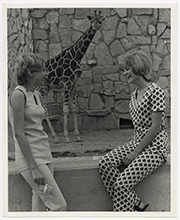 Zoobilation has happened yearly since then. And in 1985, the Abilene Zoological Gardens earned accreditation by the Association of Aquariums and Zoos. Community events really set our zoo apart. From Wild Days to Zoobilation, Dia de los Muertos to the World Giraffe Day Festival, there really is something for everyone. These diverse events make having a zoo membership worth the minor cost. Becoming a member is a great way to continue to support the zoo.
The 60th anniversary brings an expansion project like no other – A Bold Adventure. The focus is the same as the very first fundraising initiative – African animals. Such exciting things are happening to bring new animal experiences to the community. Soon, our zoo will also breed black rhinos as part of A Bold Adventure. Interestingly, the rhinoceros building is also original to the 1966 zoo – the very first building, in fact! Not only will the zoo start breeding black rhinoceros, but they are bringing in cheetahs and meerkats.
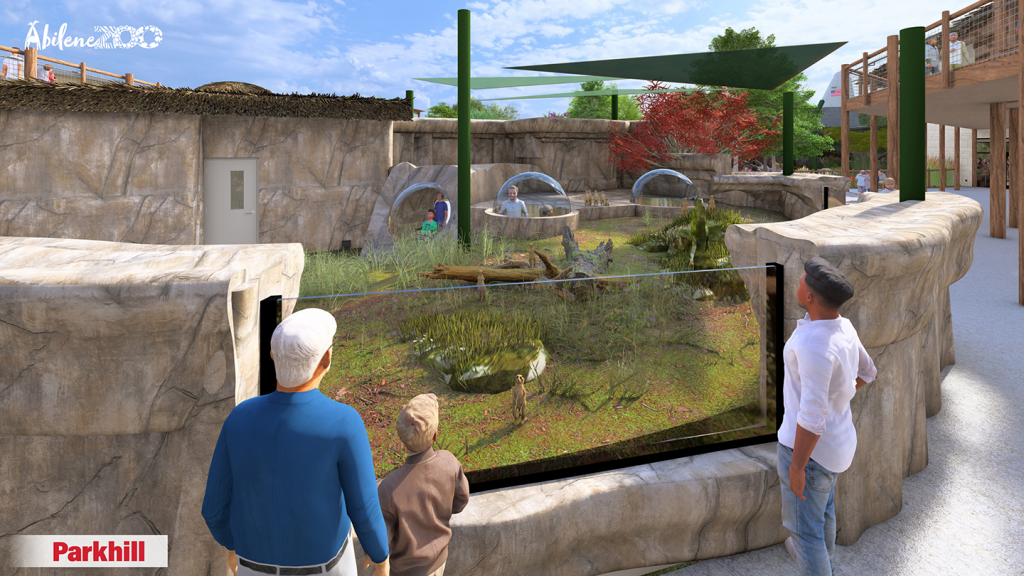
The meerkat exhibit will feature tunnels for kids to crawl through and bubbles for them to pop up in to see meerkats close up (including an ADA-compliant one!). Education has always been a priority for the Abilene Zoological Gardens, with the first education building opening in 1975. Nineteen thousand students and teachers from 50 counties come to the zoo on field trips each year. For many children, this is their first time to ever visit a zoo. A new Education Center is part of one of the phases of A Bold Adventure, and the educators at the zoo take this very seriously.
 Aside from just visiting the zoo, children also have the opportunity to attend Zoo Camp in the summer or become a Zoo Teen throughout the year. Zoo Teens learn husbandry, develop leadership and public speaking and are leaders for Zoo Camp and Wild Days (a Spring Break event). Penny Weber, a current Zoo Teen, shared, “Being a Zoo Teen is a great way to see if you want to work with animals. Zoo Teens play a vital role engaging with guests and campers. I have more confidence and I got better at public speaking.”
Another intentional partnership the Abilene Zoo has is with Dyess Air Force Base to honor our unique community. Three members of the Board of Directors are from Dyess. One of the most thrilling acquisitions and tribute to Dyess for the expansion is a C-130 plane! Not only was the location of our zoo an airport long ago, but this is a plane that would have transported animals. Gail Russey and her late husband “Doc” were honorary commanders of the maintenance group of the C-130s at Dyess. She heard about the desire to have a plane at the zoo, and she made some calls to connect two of her circles of influence!
This plane will become an interactive exhibit attaching the café to the lion’s habitat. “Incorporating elements like the plane in the new plans is a great way to innovate and grow while recognizing and embracing our rich history here in Abilene,” expressed Jesse Pottebaum, the Abilene Zoo Director, in the promotional video for A Bold Adventure.
As the Abilene Zoological Gardens double in size in the coming years, there are many ways to support and become part of this growing story. Membership is the best value, as the zoo has worked hard to keep membership costs low. Volunteering is an option as well, for those who love animals, love people and love connecting the two. The Bold Adventure campaign will have many opportunities for partnership and recognition. There will be a public campaign for names of donors to be listed on various items – bricks, benches, bubbles (for the meerkat habitat) and buildings!
Happy 60th anniversary to the Abilene Zoo! Here’s to many more years and many more memories for people of all ages.
By Laura Daulton




Leave a Reply