











Guardians of the Frontier: U.S. Army in Texas, 1845–1895 opened at Frontier Texas with a reception on October 9, but its story begins long before the first case was installed. It reaches back to June 14, 1775, when the Continental Congress formed the United States Army and asked citizen soldiers to stand a post for a nation not yet fully born. Two hundred and fifty years later, Texas joins the America 250 observance by asking a simple question with a long echo: What does it mean to hold the line?
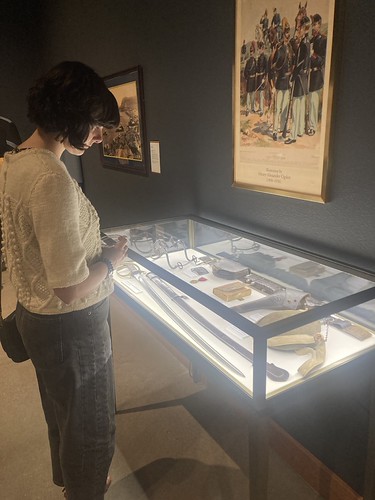 This exhibition answers that question in people, places and choices. The story follows soldiers who rode out from rivers and road crossings, who chose ground for a fort because there was water to drink, grass for animals and a view that kept families safer. It reminds us how the Army’s presence in Texas shifted with settlement and need—how Fort Inge, Fort Duncan, Fort Belknap, Fort McKavett, Fort Davis, Fort Stockton, Fort Lancaster, Fort Chadbourne, Fort Phantom Hill and others became waypoints of duty. This exhibit invites you to feel the work behind those decisions: the cold dawns, the long patrols and the letters home. “This exhibition is about responsibility,” says Jeff Salmon, Executive Director of Frontier Texas. “From 1775 forward, someone had to step up, stand a post and make hard choices in real places. Texas shows how those choices shaped towns and trails—and how service still binds the country together.”
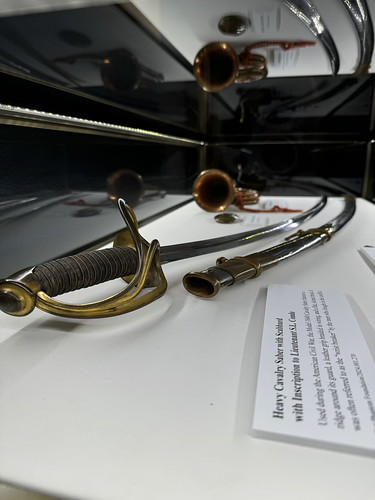 Rather than re-staging movie myths, the gallery keeps its focus on the lived reality of military life on the frontier. The eight-minute film moves from statehood and the Mexican–American War to the campaigns of the 1870s, showcasing how the Army navigated distance, weather and risk. Digital maps let visitors trace the names behind the forts; uniforms and field gear connect faces and hands to the broader arc of history. The Try-It-On photo spot isn’t a costume corner so much as a prompt: imagine the weight of the jacket and the sun in your eyes.
Historian Robert “Bob” Bluthardt, Site Manager at Fort Concho, puts it plainly: “Most Texas forts weren’t castles on the plains. They were practical posts chosen to keep people moving and mail flowing. Stand on a parade ground today and you can feel the purpose that built it.”Abilene’s own thread runs through the story. Long after frontier posts closed, the community answered new call —hosting Camp Barkeley in World War II and later welcoming Dyess Air Force Base—reminding us that service wears many uniforms and every era needs steady hands. As part of Texas’s America 250 commemorations, Guardians of the Frontier is both remembrance and invitation. Remember the date—June 14, 1775—when an army was born from resolve. Then step into the gallery and consider how that promise traveled west, became posts on the land and still speaks to the country we share. The line is long. The duty endures. And the story is ours.
Contributed By Frontier Texas








Leave a Reply